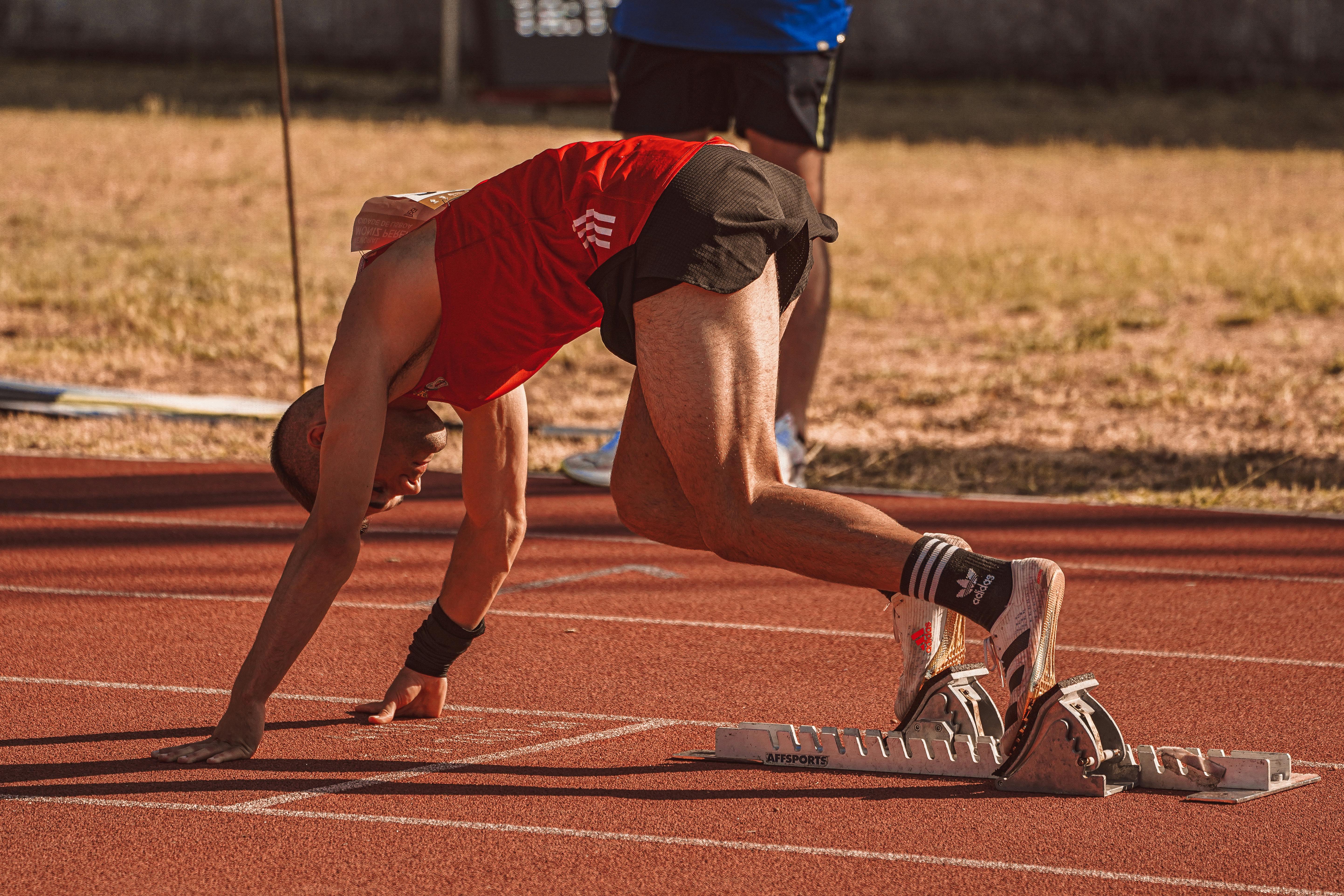
Exercise is generally one of the best things you can do for your digestive health. It promotes regularity, improves circulation, and reduces constipation — all of which are protective against hemorrhoids.
Want personalized guidance for your symptoms? Talk directly with a board-certified colorectal surgeon.
Book a virtual consultExercise is generally protective against hemorrhoids — it promotes bowel regularity, improves circulation, and reduces constipation. But certain types of athletic training can increase the risk of developing or aggravating hemorrhoids in ways that aren't obvious until symptoms appear.
This is the biggest risk factor for active individuals. Heavy compound exercises — squats, deadlifts, cleans, overhead presses — create significant spikes in intra-abdominal pressure during the effort phase. When combined with the Valsalva maneuver (the breath-hold technique used by serious lifters to stabilize the spine), these pressure spikes are intense.
For athletes who are genetically predisposed to hemorrhoids, or who already have some hemorrhoidal tissue, this repeated pressure load over months and years of training can cause hemorrhoids to develop or worsen. The risk increases with heavier loads, higher training volume, and — critically — training through symptoms rather than addressing them.
Cyclists who spend many hours in the saddle experience sustained pressure on the perineum that can affect blood flow and contribute to hemorrhoid development. Properly fitted bikes and saddles designed to reduce perineal pressure (those with a central channel or cutout) help, as does padded cycling shorts and regular breaks off the saddle on long rides.
The cardiovascular and health benefits of cycling far outweigh the hemorrhoid risk for the vast majority of riders. But if you're a high-mileage cyclist with developing symptoms, your equipment and training load are worth examining.
Runner's diarrhea is a well-known issue among distance runners. Frequent diarrhea irritates rectal and anal tissue and aggravates hemorrhoids just as significantly as constipation does. Managing training nutrition, pre-race dietary protocols, and race-day fuel is relevant to both athletic performance and anorectal health.
Athletes have a high pain tolerance and a tendency to push through discomfort. This is useful in training and counterproductive with hemorrhoids. Rectal bleeding during or after exercise should never just be assumed to be hemorrhoidal without evaluation — get it checked.
If you develop symptomatic hemorrhoids, temporary training modifications are often necessary: reducing heavy lifting volume, taking a break from cycling, addressing constipation before returning to intense training. In many cases, a brief in-office procedure can resolve the issue efficiently so you can return to full training without recurring problems.
The fundamentals apply doubly for athletes: high fiber intake, excellent hydration (athletes have higher needs given sweat loss), and consistent healthy bowel habits. If you're in a high-risk category, proactive evaluation with Dr. Chung before symptoms become serious is a smart investment in your long-term athletic performance.
Get expert, personalized guidance from Dr. Albert Chung, a board-certified colorectal surgeon focused on getting you back to comfort, fast.
Book a virtual consultLlame al (714) 988-8690