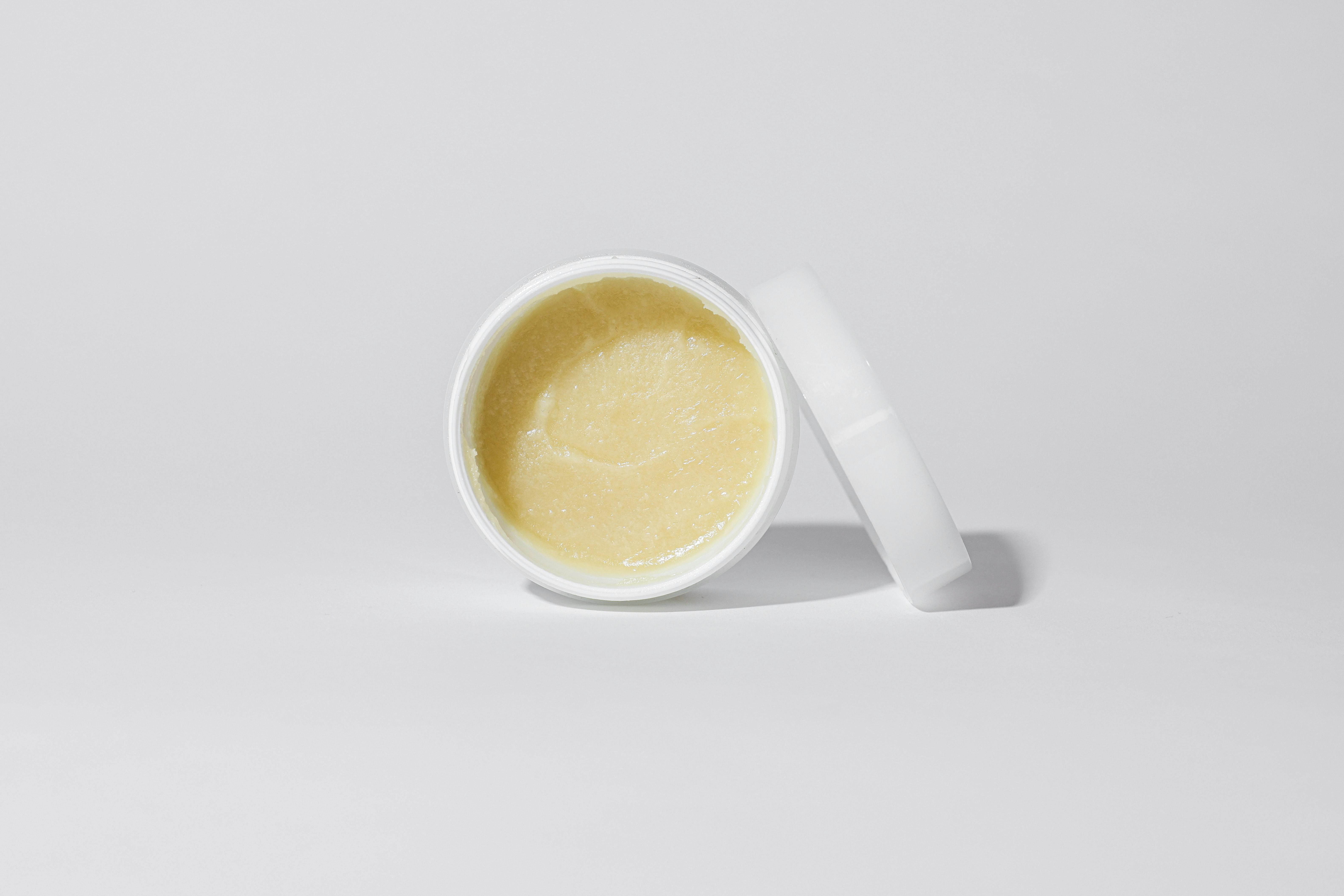
Hemorrhoid creams are most people's first move when symptoms appear. They're discreet, inexpensive, and available without a conversation at the pharmacy counter.
Want personalized guidance for your symptoms? Talk directly with a board-certified colorectal surgeon.
Book a virtual consultPreparation H. Tucks. Off-brand versions of both. Hemorrhoid creams are inexpensive, private, and easy to grab without having to talk to anyone. It's no surprise they're most people's first move when symptoms appear. But here's the thing most people don't realize: these creams don't treat hemorrhoids. They treat symptoms.
Most over-the-counter hemorrhoid products contain some combination of:
Local anesthetics (like pramoxine or benzocaine) — these temporarily numb the area to reduce itching and pain. Vasoconstrictors (like phenylephrine) — these constrict blood vessels to temporarily reduce swelling. Protectants (like petrolatum) — these coat the skin to reduce irritation and moisture. Hydrocortisone (1% in OTC products) — this reduces inflammation and relieves itching.
None of these ingredients eliminate a hemorrhoid. A hemorrhoid is a swollen, enlarged blood vessel. Cream can reduce inflammation temporarily and numb the area, but it can't reverse the underlying vascular changes that caused the hemorrhoid to exist.
This is why so many people find themselves in a cycle of constant cream use without improvement: the cream takes the edge off the symptoms, so they wait — but the hemorrhoid itself isn't getting better. Stop the cream, and the symptoms come right back.
That said, hemorrhoid creams have a legitimate role. For mild acute flares — especially external irritation and itching — they provide real relief while the hemorrhoid resolves on its own or while you work on dietary and lifestyle changes. They're also a reasonable bridge during early recovery from in-office procedures.
The key is using them with appropriate expectations: these are for symptom management, not cure.
Hydrocortisone creams should not be used for more than 7 to 10 days at a time without medical supervision. Long-term use of topical steroids can cause skin thinning in the delicate perianal area — making things more sensitive and prone to irritation, not less.
If you've been using hemorrhoid cream consistently for more than two weeks without meaningful improvement — or if your symptoms include significant bleeding, a prolapsed hemorrhoid, or severe pain — cream is not going to solve the problem.
Dr. Chung offers a full range of treatment options that actually address the hemorrhoid, not just the symptoms. A single appointment can get you a clear diagnosis and a plan that moves things forward.
Get expert, personalized guidance from Dr. Albert Chung, a board-certified colorectal surgeon focused on getting you back to comfort, fast.
Book a virtual consultLlame al (714) 988-8690