

We’ve all been there. You head into the bathroom for a quick minute, pull out your phone to check one email, and suddenly you’ve fallen down a twenty-minute rabbit hole of social media reels and news updates.
Want personalized guidance for your symptoms? Talk directly with a board-certified colorectal surgeon.
Book a virtual consultIn the world of proctology, this habit has a name: “TikTok Tush.” And while the videos might be entertaining, the physical cost is anything but.
The human body wasn’t designed to sit on a toilet for long periods. Unlike a chair or a sofa that supports your pelvis and gluteal muscles, a toilet seat has a giant hole in the middle.
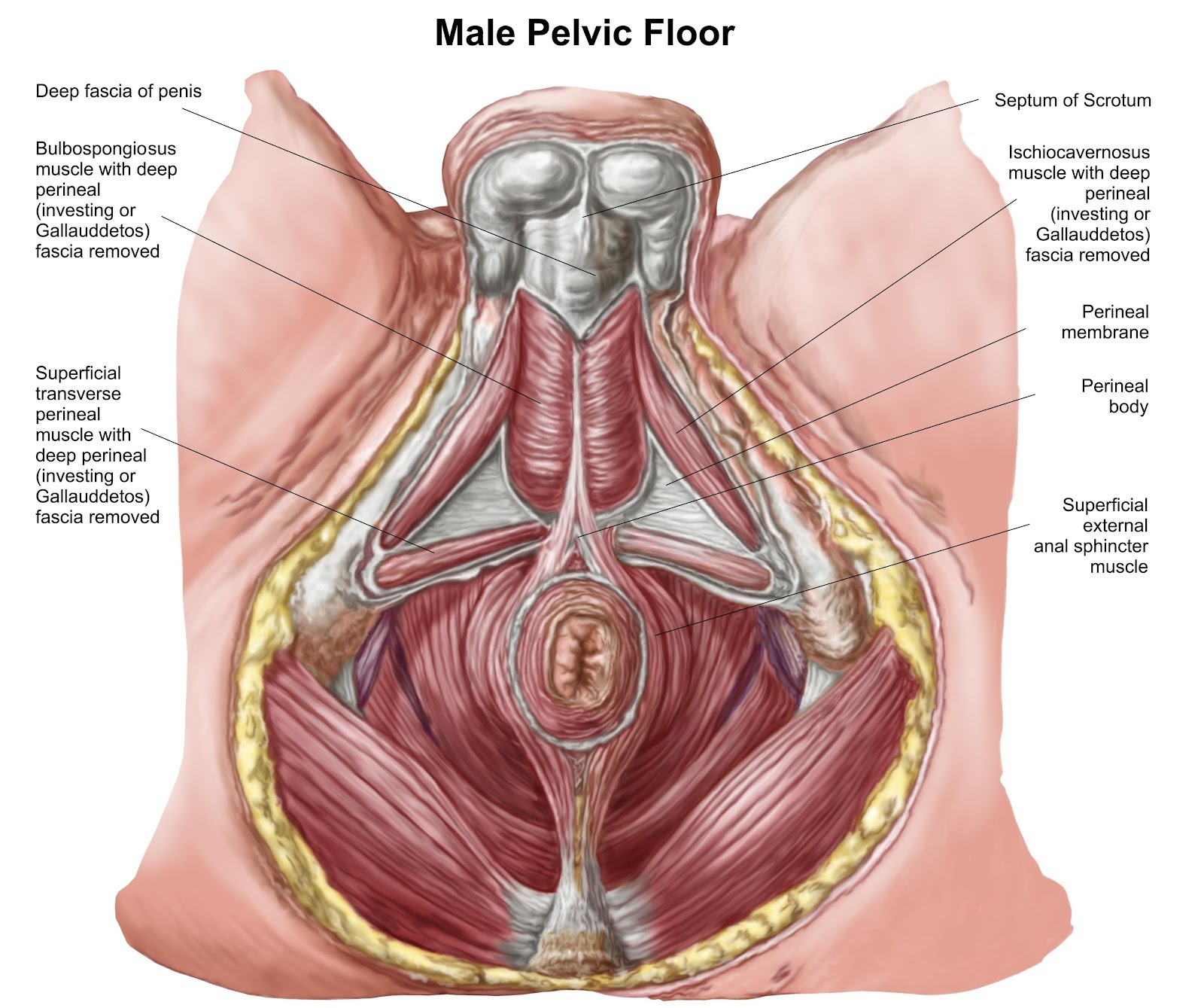
When you sit there, your rectum drops lower than the rest of your buttocks. Without the usual support of your pelvic floor, gravity takes over. This creates a “sinkhole” effect where blood pools in the delicate veins of your rectal area. The longer you sit, the more those veins stretch and engorge, eventually turning into symptomatic hemorrhoids.
A recent 2025 study highlighted just how much our phones have changed our bathroom health. The data shows a direct link between “toilet scrolling” and the rise of hemorrhoid cases:
It isn’t just about the straining; it is about the posture. When you lean forward to look at your phone, you increase the intra-abdominal pressure. This pressure, combined with the lack of pelvic support, acts like “kinking a garden hose.” Blood flows in but has a hard time flowing back out, causing those vascular cushions to balloon.
Even if you aren’t pushing or straining, simply “perching” on the seat for twenty minutes is doing the damage for you.
Dr. Chung’s advice for keeping your recovery (and your rectal health) on track is simple: The bathroom is a device-free zone.
If “TikTok Tush” has already moved from a funny name to a painful reality, don’t wait a month for a hospital appointment. Dr. Chung has been practicing for 11 years and specializes in reversing the damage caused by modern habits.
Our concierge protocol means we get you in for an evaluation quickly, and if a procedure is needed, you have 24/7 access to your surgeon via his cell phone. You shouldn’t have to navigate a painful recovery while waiting for an advice nurse to call you back. Leave the phone on the nightstand and give your body the break it actually needs.
Get expert, personalized guidance from Dr. Albert Chung, a board-certified colorectal surgeon focused on getting you back to comfort, fast.
Book a virtual consultCall (714) 988-8690