Finding the Right Care
How to find a colorectal surgeon you can trust (and what it actually costs).
Choosing the right surgeon makes a real difference in outcomes. Here's what to look for, what questions to ask, and how to think about cost and insurance.
When you need a colorectal surgeon, the decision matters. Outcomes for complex colorectal procedures vary significantly by surgeon experience and specialization. Beyond clinical results, the right surgeon should be someone who explains things clearly, respects your time, and treats you with dignity through what's often an embarrassing topic. The wrong one can leave you feeling rushed, dismissed, or confused.
This guide walks through what to look for in a colorectal surgeon, the credentials that actually matter, the questions to ask at your first consultation, and the cost and insurance realities most patients want to understand before they commit.
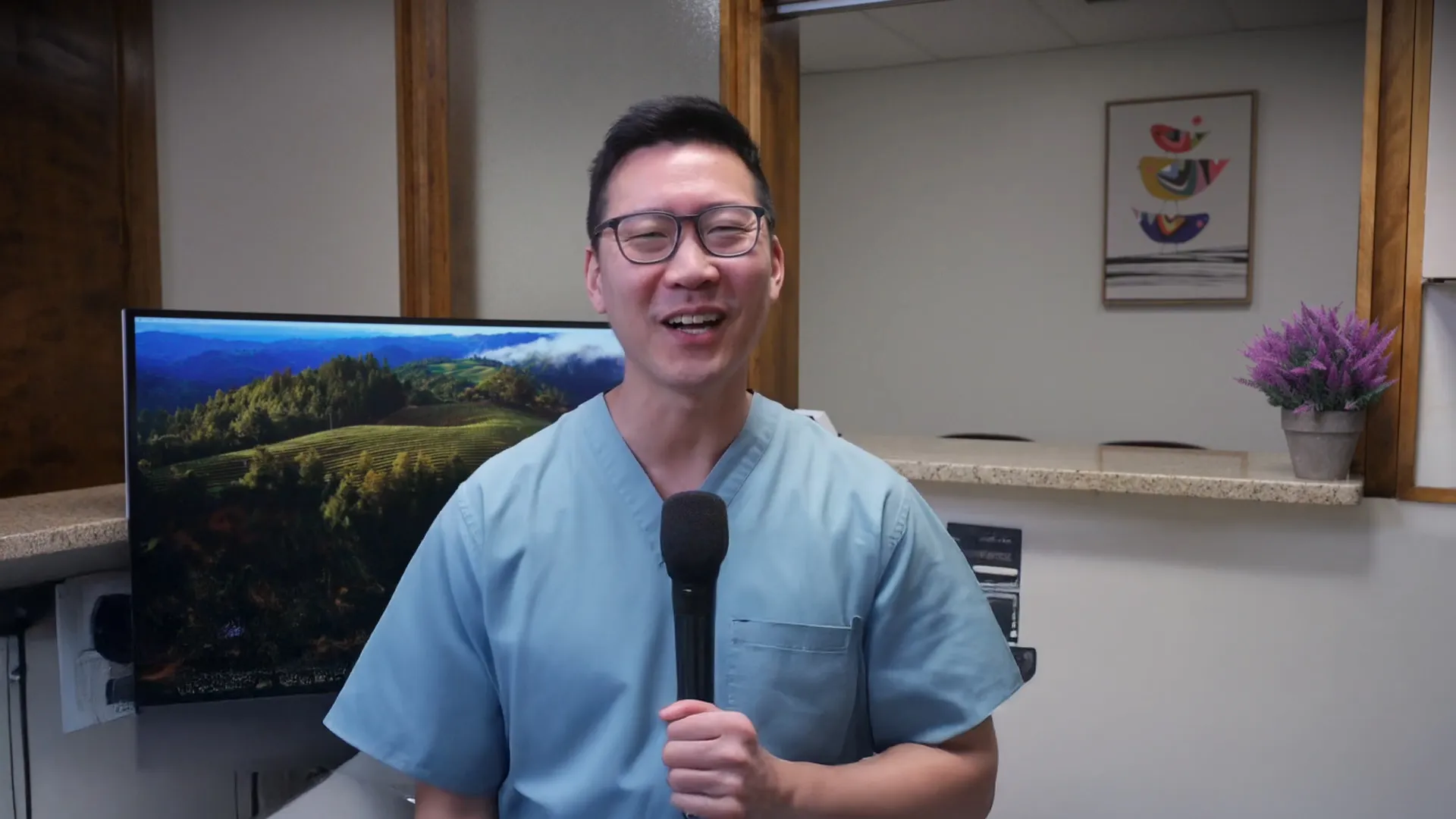
Looking for a board-certified colorectal specialist? Skip the search and talk directly with Dr. Chung.
Book a virtual consultColorectal surgeon vs general surgeon: why it matters
Not every doctor who performs colorectal procedures is a colorectal surgeon. The distinction matters more than most patients realize. A general surgeon completes 5 years of surgical residency and can perform a wide range of operations. A colorectal surgeon completes those same 5 years and then an additional 1 to 2 years of fellowship training focused entirely on diseases of the colon, rectum, and anus.
That extra training shows up in everything from how complex procedures are performed to how often they're done. A specialist who does colorectal procedures every week is going to be more practiced than a generalist who does them occasionally. For straightforward cases, the difference may be small. For complex cases, especially cancer surgery or anything involving the pelvis, it can be significant.
What to look for in a colorectal surgeon
Several specific things separate genuinely qualified colorectal specialists from doctors who occasionally do colorectal work.
ABCRS board certification
The gold standard credential. The American Board of Colon and Rectal Surgery (ABCRS) certifies surgeons who have completed accredited colorectal fellowship training and passed specialized exams. Look for this specifically. A surgeon who is only board-certified in general surgery is not ABCRS-certified.
Fellowship training
1 to 2 years of focused training in colorectal surgery after general surgery residency, at an ACGME-accredited program. This is what makes someone a colorectal specialist.
Procedure volume
How often does the surgeon perform the procedure you need? Higher volume is generally associated with better outcomes, especially for complex cases like rectal cancer surgery. It's a fair question to ask.
Technology and approach
Does the surgeon offer minimally invasive options including laparoscopic and robotic surgery? For colorectal procedures, modern minimally invasive techniques typically mean faster recovery and fewer complications.
Hospital affiliations
Strong hospital affiliations indicate the surgeon is in good standing with credentialing committees and has access to quality facilities. Some surgeons also operate at outpatient surgery centers, which can be a more comfortable option for less complex procedures.
Communication style
Does the surgeon listen, answer your questions, and explain things in plain language? Are they patient with your concerns? This isn't a luxury. It's directly tied to how well you understand your options and recovery.
Continuity of care
Will you see the same surgeon throughout your care, or will you be passed between providers? Continuity matters for the consistency of your treatment plan and for trust.
Questions to ask at your first consultation
Bring this list to your first visit. The right surgeon will welcome these questions, not bristle at them.
Smart questions for your colorectal surgeon
1
Are you board-certified by the American Board of Colon and Rectal Surgery (ABCRS)? Confirm this directly. It's the most important credential to verify.
2
How often do you perform this specific procedure? For complex procedures, higher volume usually means better outcomes.
3
What are my treatment options, including non-surgical ones? A good surgeon explains all reasonable options, not just surgery.
4
Is minimally invasive or robotic surgery an option for my case? If yes, why or why not. If you're getting open surgery recommended, ask why.
5
What's the typical recovery look like for my procedure? Hospital stay, return to work, return to exercise. Realistic timelines, not best-case scenarios.
6
What are the risks and possible complications? Every procedure has them. A surgeon who downplays risks is not being honest with you.
7
Who do I contact if I have questions or concerns after surgery? Direct access to the surgeon (or their team) matters during recovery.
8
Will I be seeing you for follow-up, or someone else? Continuity matters. You want to see the person who actually performed your procedure.
9
What does this cost, and what does my insurance cover? The billing team should be able to provide a clear estimate before your procedure.
Red flags to watch for
!Signs to look for another surgeon
- Rushes you through the consultation or doesn't make eye contact
- Doesn't answer questions clearly or seems annoyed by them
- Recommends surgery without discussing non-surgical options first (when those exist)
- Can't or won't explain their qualifications
- Pressures you to schedule immediately, especially for non-urgent conditions
- Won't give you a clear estimate of cost or recovery time
- Is dismissive of your symptoms or concerns
How to navigate a referral
Most patients get to a colorectal surgeon through a referral from a primary care doctor, gastroenterologist, or another specialist. The referral process is straightforward, but you have more agency in it than you might think.
First, you don't have to go to the specific surgeon your doctor refers you to. If you want a second opinion or prefer a different specialist, your insurance generally allows that as long as the surgeon is in-network. Ask your doctor's office for a referral to a board-certified colorectal surgeon, or ask if they can recommend several so you can choose. If you live in a major metro area, you'll typically have options.
Second, your primary care doctor's office can usually fax or transmit your relevant records to the colorectal surgeon's office ahead of your first visit. This saves time and means you don't have to recount your entire history. Just ask them to send your records over before the appointment.
How much does colorectal surgery cost?
Cost is a real source of anxiety for patients, and it's harder to nail down than most other medical services because so many variables affect the final number.
Colorectal surgery costs vary significantly based on the type of procedure, whether it's done in a hospital or outpatient setting, the surgeon's fees, anesthesia, facility fees, location, and your specific insurance plan. A simple in-office procedure like rubber band ligation might cost a few hundred dollars. A major procedure like a colorectal cancer resection performed in a hospital can run tens of thousands of dollars before insurance.
That said, most colorectal surgery is considered medically necessary, which means insurance typically covers a significant portion. Your out-of-pocket responsibility depends on your specific plan: your deductible, copay, coinsurance, and whether the surgeon and facility are in-network.
What insurance typically covers
Private insurance
Most plans
Most commercial insurance plans cover medically necessary colorectal surgery, including cancer surgery, IBD surgery, and treatment of complications like abscesses or perforation. Coverage for elective procedures varies. Pre-authorization is often required for surgery.
Medicare
Part A and B
Medicare covers medically necessary colorectal surgery. Part A covers hospital stays; Part B covers physician services. Out-of-pocket varies depending on whether you have supplemental coverage (Medigap) or are on Medicare Advantage.
Medicaid
State-dependent
Medicaid generally covers medically necessary colorectal surgery, though specific coverage and provider networks vary by state. Some surgeons accept Medicaid, others don't. The practice's billing team can confirm.
Out-of-pocket / cash pay
For uninsured or self-pay
Some practices offer cash-pay pricing for uninsured patients, which is often considerably lower than billed rates. Ask the billing office about cash-pay or self-pay options if insurance isn't covering your procedure.
How to get a real cost estimate
Steps to take before scheduling
✓Call the surgeon's billing office. They deal with insurance every day and can give you a personalized estimate.
✓Ask for the specific CPT codes that will be used for your procedure. You can give these to your insurance company for a coverage check.
✓Call your insurance and ask: "Is this procedure covered? What's my deductible? What's my coinsurance? Is this surgeon and facility in-network?"
✓Ask about all the separate bills you'll receive: surgeon's fee, anesthesia, facility fee, pathology. They often come from different entities.
✓If cost is a concern, ask whether the procedure can be done in an outpatient surgery center rather than a hospital. Outpatient settings are often significantly less expensive.
✓Ask about payment plans or financial assistance if you'll have significant out-of-pocket costs.
Bottom line on cost: Don't guess. Don't avoid the conversation. The billing office is there to help you understand costs before you commit. If a practice can't give you a clear estimate, that itself is useful information.
Why specialized care often beats big hospital systems
Many patients assume the biggest hospital system in their area is automatically the best choice. For colorectal care specifically, that's often not the case. Private specialty practices have several advantages: shorter wait times for appointments, more personalized care, direct access to your surgeon, transparent pricing without facility fees, and a setting that feels less intimidating for what's already a sensitive topic.
The best surgeons in some markets practice in private specialty clinics precisely because that setting lets them deliver the kind of care they want to deliver, without the bureaucratic layers of a large system. For routine and moderately complex colorectal procedures, a specialty practice is often the better choice. For very rare or extremely complex cases, an academic medical center may be appropriate.
The bottom line
Finding the right colorectal surgeon is about matching real expertise to your specific needs. Look for ABCRS board certification, ask the right questions, and pay attention to how the surgeon and their team treat you. The right care team makes everything that follows easier.
Cost is real, and it deserves an honest conversation rather than guesswork. Most colorectal surgery is covered by insurance, and the billing office can give you a personalized estimate before you commit.
Related reading
Specialized care, without the runaround.
Dr. Albert Chung is a board-certified colorectal surgeon offering personalized, specialty-focused care. Same-week appointments, transparent pricing, direct access during recovery.
Book a consultationCall (714) 988-8690